Isaias Insurance Claim Guide for Florida Panhandle Homeowners
Even if damage looks minor, have a public adjuster check
You do not need a missing roof or a flooded room to have your property checked after a storm. Damage can be easy to miss from the ground or during a quick walk-through. Even if you think your house came through with little damage, have a public adjuster check it.
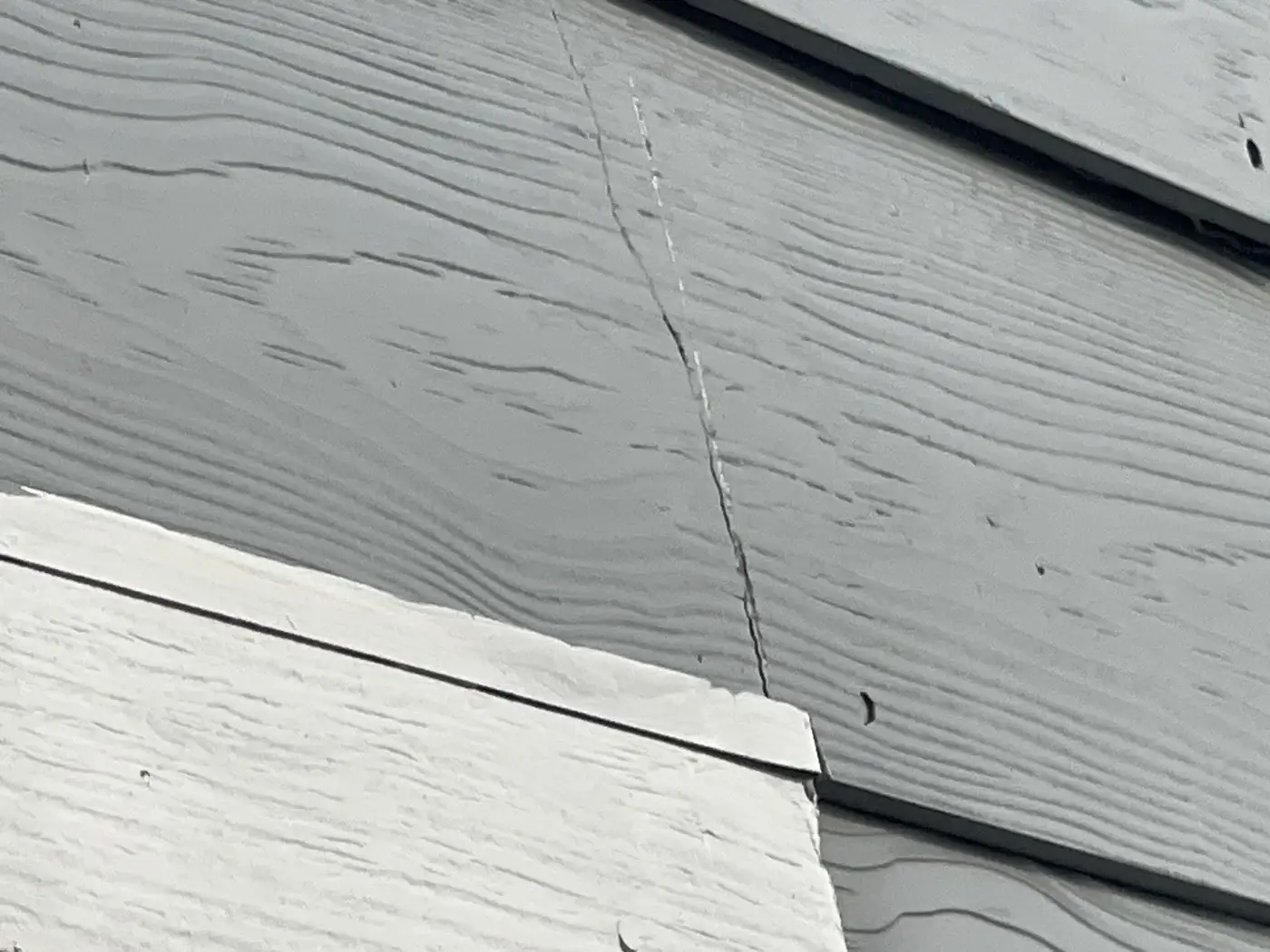
Ask the adjuster to look for scratches on metal roofs, loose shingles or tiles, scratches on windows or stucco, and hidden water damage. These are examples of conditions to investigate, not reasons to assume every mark is new or storm-related. A careful inspection should compare the condition with the property’s history, identify what changed and document the cause.
A public adjuster can then review those findings alongside your policy and help decide whether a claim makes sense. Do not climb onto a roof or open damaged walls yourself to look for evidence.
Isaias and the Panhandle: what is confirmed
As of the National Hurricane Center’s 4:00am CDT advisory on October 7, 2026, Isaias is a tropical storm with maximum sustained winds of 40 mph. NHC forecasts rapid strengthening, hurricane status by Thursday and an approach to the northern Gulf Coast Friday.
The Florida Panhandle is in the region NHC says should monitor the risk of dangerous wind and storm surge. Heavy rainfall and flooding are also possible. A particular Panhandle city or landfall location is not confirmed, and NHC describes track confidence as below average.
Use the latest NHC advisory and local emergency instructions for safety decisions. This guide focuses on preparing your property records and understanding the claim process if damage occurs.
Before the storm: build a record of your property
When conditions are safe, walk through your property with your phone. Take wide photographs of each room and close-ups of important belongings. Photograph exterior walls, windows and the roof only from a safe position on the ground. Do not climb onto the roof for an insurance photo.
Keep original photo and video files, not only copies shared through messaging apps. A clear before-and-after record can help explain what changed. Gather any older repair invoices, inspection reports and photographs of existing conditions so they can be considered alongside new damage.
Save your insurance policy and declarations page in a secure place you can access away from home. On the declarations page, highlight your coverage limits and listed deductibles. A public adjuster can help review how the policy treats different causes of loss. Follow local emergency instructions first; paperwork is never a reason to delay evacuation.
After the storm: safety, photos and temporary protection
Return only when local officials say it is safe. Do not enter a damaged building if there are structural or electrical hazards. Keep away from floodwater and downed power lines.
When it is safe, photograph the affected area before cleanup. Include wide shots showing where damage is located, closer views showing the damage itself, and related details such as ceiling stains, broken windows or damaged materials. Record what you observed and when. Do not guess the cause just from where water is visible.
Get a qualified professional to help identify the cause of loss and stop further damage when needed. Keep receipts for safe temporary work and photograph what was done. Do not leave an active leak untreated merely to wait for a claim inspection, and do not put yourself at risk trying to tarp a roof.
Keep estimates, receipts and reports together. Before discarding damaged belongings, document them and have your public adjuster check what evidence needs to be kept, as safety allows.
Wind, rain or rising water: why the cause matters
A roof opening, wind-driven rain and rising water can raise different coverage questions. A storm name alone does not establish which policy applies or what will be paid.
Useful evidence includes photographs of roof or window damage, where water entered, water lines, the timing of the damage and professional findings. Have a public adjuster review that evidence alongside your actual policy, including any separate flood coverage, deductibles and exclusions.
If the insurance company attributes all damage to one cause, ask your public adjuster to review the explanation and the supporting evidence. The aim is to describe the loss accurately, not fit it into a label before it has been inspected.
Before filing: review the policy and the damage
Once immediate safety and temporary protection are handled, have a public adjuster review the damage and policy before deciding whether a claim makes sense. Even if you see little or no obvious damage, have a public adjuster check the property for less noticeable damage. The inspection findings, cause of loss, deductible and policy terms can affect the decision.
Bring your declarations page, full policy, photos, repair history and any inspection or emergency-work records. A public adjuster can help identify what else needs to be documented and check notice requirements and deadlines for your situation.
Panther Public Adjusting helps with property-damage documentation, policy review and communication with the insurance company. Call 833-PANTHER to discuss the property and the next steps. If an on-site inspection is needed, arrange the location and timing with the team rather than assuming immediate access after the storm.
If you already filed or received an offer
Keep the claim number, letters, emails, estimate and payment details together. Preserve your own photos and contractor reports even if the insurance company has already inspected.
If the claim is denied or the offer appears to leave damage unaddressed, have a public adjuster compare the written decision and estimate with the damage evidence and policy. Avoid treating an initial offer as a full explanation of the loss.
For related help, see our denied or underpaid insurance claim guide and our water-damage insurance claim guide.
Questions homeowners ask about Isaias claims
Has Isaias already hit the Florida Panhandle? Not as of the October 7, 4:00am CDT advisory used for this dated update. NHC forecasts an approach to the northern Gulf Coast Friday, but the exact landfall is not confirmed. Check the latest official update.
Should I wait for a hurricane warning to take property photos? If it is safe and does not interfere with emergency preparations, you can document your property before a warning. Follow local instructions and leave immediately when evacuation is ordered.
Should I wait for an adjuster before stopping a leak? No. Arrange safe temporary protection when needed and keep photos and receipts. Do not attempt dangerous work yourself.
Will every storm-related loss be covered? The answer depends on the cause of loss and the actual policy. Have a public adjuster review the documents and damage rather than relying on the storm name alone.
How do I contact Panther Public Adjusting? Call 833-PANTHER / 833-726-8437 or email Claims@PantherPA.com. Tell the team where the property is, what happened and what records you have.